Dopamine
The myth of the pleasure hormone: why dopamine prefers the chase to the trophy.
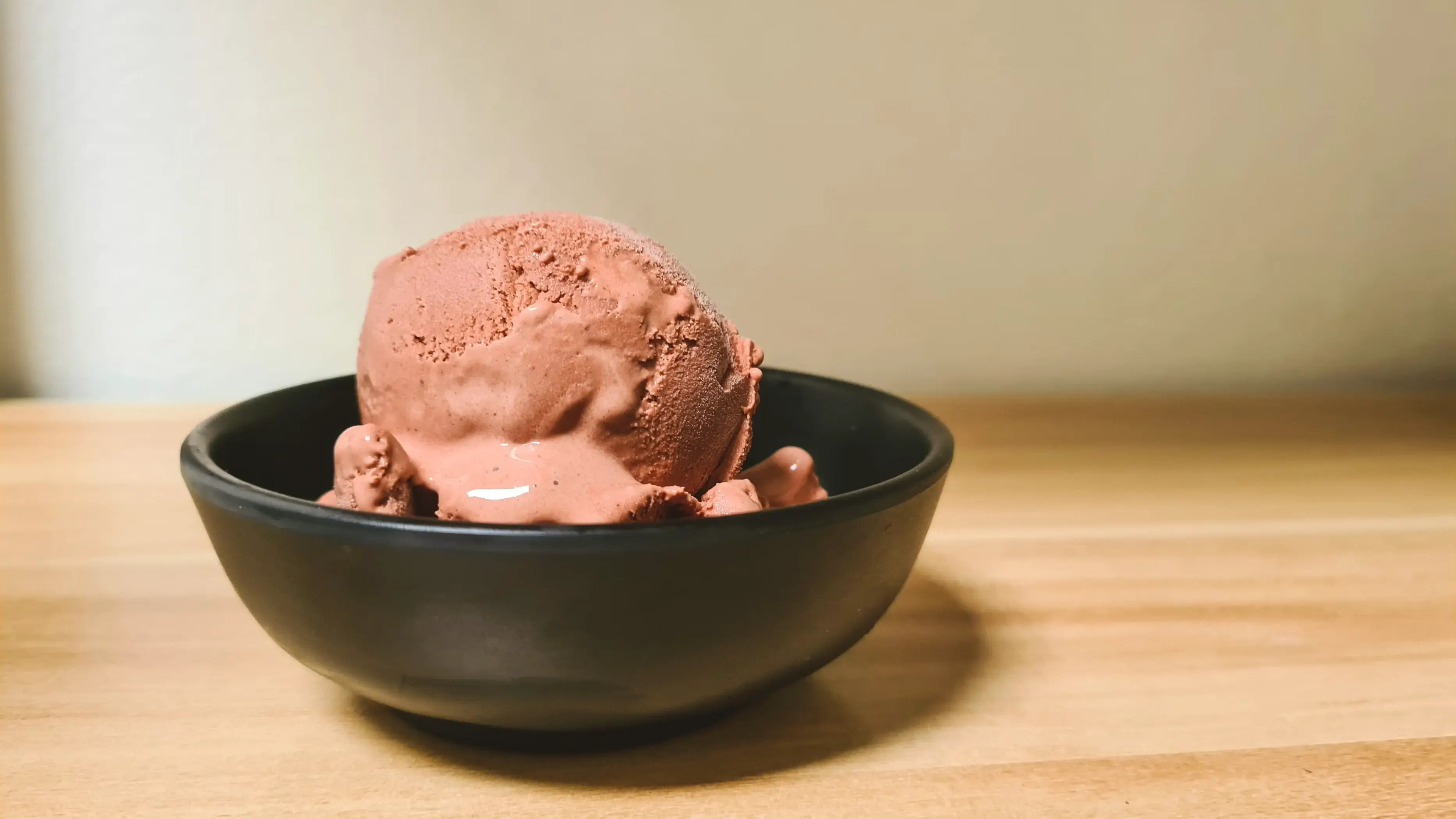
You’ve surely heard of dopamine. Self-help books urge us to «fast» from it, gyms chase its «hit», and popular culture has crowned it the queen of absolute pleasure. Yet science tells a very different and far more fascinating story: dopamine isn’t the molecule of the reward obtained, but of anticipation.
This neurotransmitter —produced mainly deep in the brain and in the adrenal glands— is really the conductor of our survival. From the precision of our movements to the energy with which we spring out of bed each morning, everything depends on a delicate chemical balance.
The engine of the chase: dopamine fires before the prize, not after
The first great myth modern neuroscience has demolished is that dopamine is released when you get what you want. In reality, it spikes during anticipation.
If you’re hungry and see a slice of pizza, your brain experiences a dopamine peak as you smell it and crave it. This is the chemistry of the chase, the biological drive that tells your body: «Move, there’s something out there you need to survive». Once you bite into the pizza, dopamine drops and other substances take over —endorphins or serotonin—, in charge of satiety and real enjoyment. Dopamine isn’t the prize: it’s the force that pushes you to get it.
In other words, dopamine is the molecule of «go get it!», not of «this feels great!». It’s the engine of motivation.
The scale of pleasure and pain
To explain how this affects us, modern neuropsychiatry turns to the analogy of the scale. In the brain, pleasure and pain are processed in the same place and work like the two ends of a scale that always seeks to stay perfectly balanced —a process called homeostasis.
- The stimulus: when you receive a highly pleasurable stimulus (a like on social media, ultra-processed food, a video game), the scale tips sharply toward pleasure.
- The compensation: to return to balance, the brain immediately adds weight on the pain side. It feels like mild dissatisfaction, a pinch of frustration: the famous «wanting more».
- The dopamine hangover: if the stimulus was too intense or artificial, the brain compensates so hard that the scale stays tipped toward pain for hours. It’s the physical and emotional slump you feel after an entire afternoon of infinite scrolling.
Dopamine’s balance is so delicate that its extreme deviations mark the border between very serious conditions:
- The lower extreme (Parkinson’s): when the dopamine-producing neurons of the substantia nigra die, the brain loses the ability to send the body the right movement instructions. Hence the rigidity and tremors characteristic of Parkinson’s.
- The upper extreme (psychosis): excess dopamine activity in certain brain areas distorts the perception of reality, translating into the hallucinations or delusions characteristic of schizophrenia. In fact, antipsychotics work by blocking dopamine receptors.
The danger of living overstimulated
Our ancestors had to work hard for a dopamine peak. The human dopamine system evolved in an environment where getting water, food or a mate took days of effort, so the brain learned to ration dopamine to keep us motivated over the long haul, in the chase.
Today, by contrast, the brain lives in a hyperstimulated environment: hyper-palatable food, one-click shopping and infinite entertainment around the clock.
On detecting constant, artificial dopamine peaks, the brain defends itself by reducing the number of available receptors. It’s as if it «turned down the volume» of the music because it’s playing too loud. The result is that ordinary activities (reading a book, taking a walk, having a conversation) stop motivating you, because your overall dopamine volume has dropped too low. This is technically known as anhedonia, a core symptom of severe depression.
The digital hijack: how screens drain our chemical reserves
The clearest example sits in our pocket: a device capable of generating instant, artificial dopamine peaks. The infinite scroll of social media exploits the «random reward» mechanism: since you don’t know whether the next video will delight or bore you, the brain stays hooked to the screen. The price? Every big artificial peak is followed by a chemical crash. By «burning out» the receptors with massive stimuli, everyday activities stop producing enough dopamine and plunge us into constant apathy.
The natural reset: habits to balance your baseline dopamine
Fortunately, neuroscience offers tools to recalibrate this thermostat naturally and sustainably, protecting our reserve levels. In essence, it’s about teaching the brain to value effort:
- Divide and conquer. Instead of focusing only on a project’s final goal, break the path into small daily subtasks. Mentally celebrating each one releases healthy micro-doses of dopamine that keep the engine running steadily.
- The light of dawn. Exposing yourself to natural sunlight during the first twenty minutes of the day increases the density of dopamine receptors in the brain.
- The thermal shock. Short cold-water showers cause a prolonged, stable and safe rise in dopamine, without the dreaded subsequent crash.
- Chronobiology and sleep architecture. Sleep deprivation drastically reduces the availability of D2 receptors the next day; keeping stable circadian rhythms protects neurotransmission.
- Smart nutrition. Eating foods rich in tyrosine (eggs, oily fish, walnuts) ensures the raw material so your internal factory never stops.
Dopamine is not an enemy to defeat or a recreational drug to squeeze dry: it’s the subtle chemical thread that connects our desires to our actions. Learning to manage it is, ultimately, learning to regain control of our own will.
In the next article we’ll leave individual motivation behind and step into the chemistry of society: oxytocin. We’ll see how it lets us love deeply, but also how it can light the fuse of distrust toward those we perceive as «different».
Hook this up to your favourite commenting platform — Giscus, Disqus, or your own.
Continue reading

The Sun and the rhythm of light
How the solar spectra of dawn, noon, and dusk coordinate cell biology and vitamin D.

What did I come in here for?
What science says about those small everyday lapses that prove your mind is (far too) efficient.
Real meat vs. industrial «meat»
How intensive farming altered the biology of ruminants and turned an ancestral food into a health and environmental problem.